
Hardwired vs Plug-In EV Charger: The Complete Comparison
One of the first decisions you'll make is whether to hardwire your charger or use a plug-in (NEMA 14-50) setup. Both have their place. Here's how to choose.
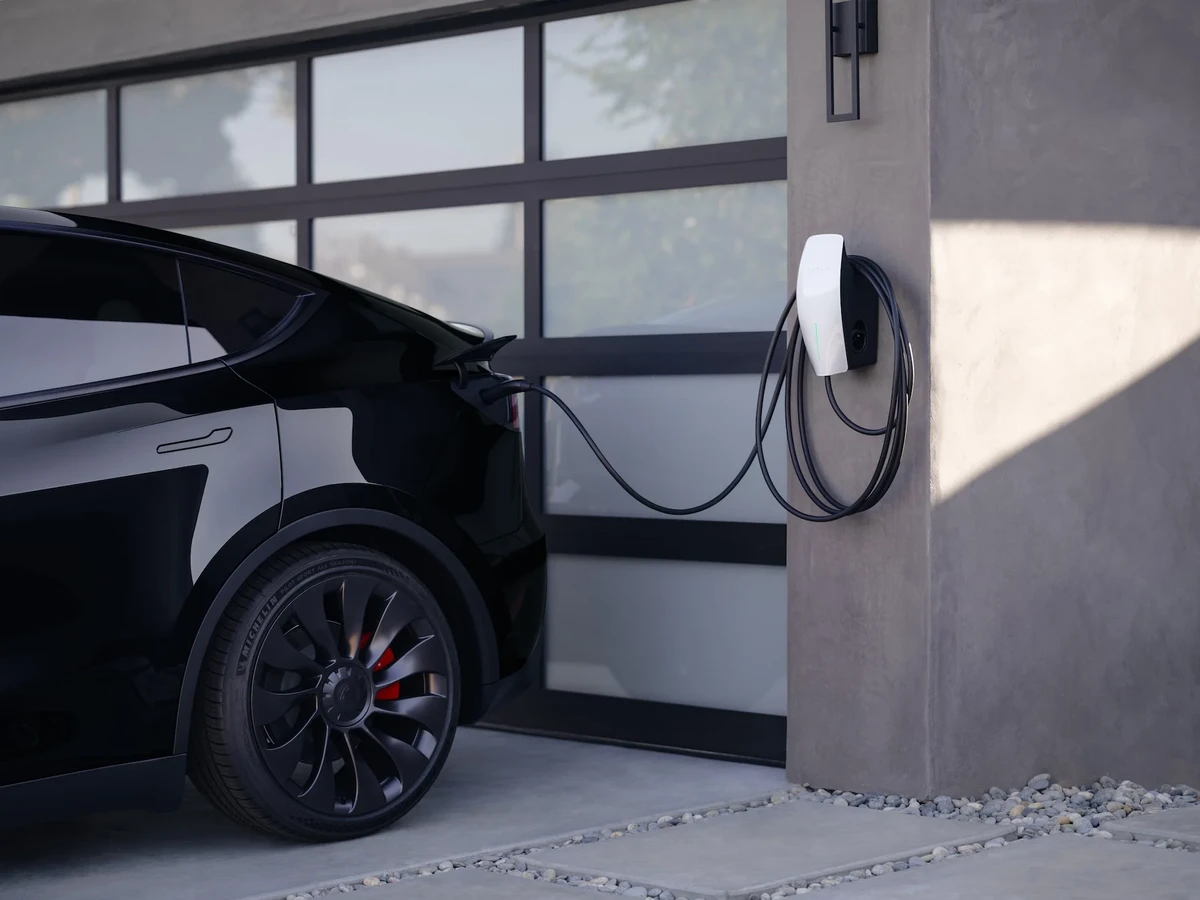
Hardwired EV Charger
$100-200 more than plug-in (additional labor)
Permanently connected to your electrical system with no plug. Direct connection from breaker to charger.
Pros
- ✓Cleaner, more permanent installation
- ✓No plug to wear out or corrode
- ✓Required for chargers over 40A (NEC code)
- ✓Slightly more efficient (no connection losses)
- ✓Weather-resistant when installed properly
- ✓Lower fire risk (no plug connection)
Cons
- ✗Not portable — fixed location
- ✗Requires electrician to relocate
- ✗Cannot easily move if you change vehicles
- ✗Slightly higher installation cost
Best for:
Homeowners who own their home, permanent installations, outdoor installations, chargers over 40A
Plug-In EV Charger (NEMA 14-50)
$600-1,000 for NEMA 14-50 outlet installation
Plugs into a dedicated 240V outlet (NEMA 14-50). Similar to an electric dryer or range plug.
Pros
- ✓Portable — can take charger with you when you move
- ✓Easy to swap chargers without an electrician
- ✓Can unplug for safety during extended absences
- ✓Lower installation cost
- ✓Good for renters (with landlord approval)
Cons
- ✗Plug can wear out over time
- ✗Not allowed for chargers over 40A (NEC code)
- ✗Outdoor outlets need weatherproof covers
- ✗Slightly less efficient than hardwired
- ✗Plug connection can corrode in humid environments
Best for:
Renters, those who may move soon, flexibility seekers, chargers 40A and under
Our Verdict
For most homeowners, hardwired is the better choice — it's more permanent, code-compliant for high-amperage chargers, and looks cleaner. Plug-in makes sense if you might move, are renting, or want the flexibility to swap chargers easily. ChargeWizards installs both — we'll recommend based on your situation.
Buying Guide
- →
If you own your home and plan to stay 3+ years: hardwired
- →
If you might move or are renting: plug-in (NEMA 14-50)
- →
For chargers over 40A: hardwired is required by code
- →
For outdoor installations: hardwired is more weather-resistant
- →
Consider future EV purchases when deciding
Frequently Asked Questions
Ready for fast, reliable home EV charging?
Chat with David for a free quote — or call us directly. We typically respond within minutes.
Licensed C-10 contractor · No obligation · Bay Area only