Level 1 vs Level 2 Charging: Which Should You Use?
The difference between Level 1 and Level 2 charging isn't subtle — it's the difference between frustration and convenience. Here's a detailed comparison to help you decide.
Level 1 Charging (120V)
$0 (included with EV)
Uses a standard household outlet. Comes with your EV. No installation required.
Pros
- ✓No installation cost — uses existing outlets
- ✓Portable — works anywhere there's an outlet
- ✓Safe and simple
- ✓Good for plug-in hybrids
- ✓No permit required
Cons
- ✗Extremely slow: 4-5 miles of range per hour
- ✗Full charge takes 2-3 days for most EVs
- ✗Inadequate for daily commuting over 30 miles
- ✗Ties up an outlet for extended periods
- ✗Not practical as primary charging method
Best for:
Plug-in hybrids, emergency backup charging, very low-mileage drivers (under 25 miles/day), renters with no other options
Level 2 Charging (240V)
$2,550 all-in standard install; pre-wired homes from $850
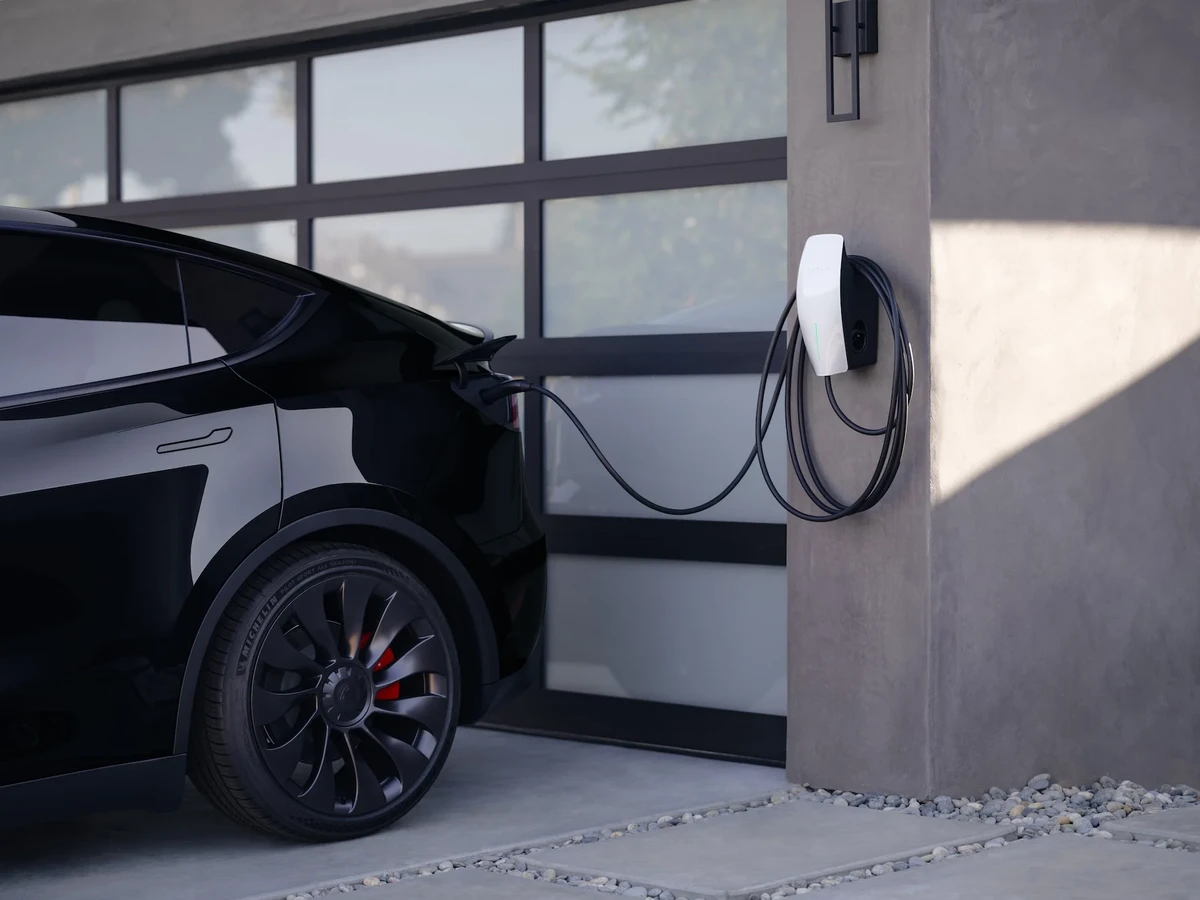
Dedicated 240V circuit installed by a licensed electrician. The standard for home EV charging.
Pros
- ✓Fast charging: 25-40 miles of range per hour
- ✓Full overnight charge for any EV
- ✓Handles daily commuting easily
- ✓Enables off-peak electricity rate savings
- ✓Increases home value
- ✓May qualify for utility charger rebates (for example, PG&E's)
Cons
- ✗Requires professional installation (standard install $2,550 all-in, including the permit)
- ✗Permit required
- ✗Not portable (fixed location)
- ✗Requires electrical panel capacity
Best for:
All EV owners, daily commuters, anyone driving more than 30 miles/day, primary home charging solution
Our Verdict
Level 2 charging is essential for practical EV ownership. While Level 1 works for plug-in hybrids or as emergency backup, Level 2 is the only viable solution for daily EV driving. The installation pays for itself over time through fuel savings vs. public charging. ChargeWizards recommends Level 2 installation for all EV owners.
Buying Guide
- →
Assess your daily driving needs — if over 30 miles/day, Level 2 is mandatory
- →
Check your electrical panel capacity before purchasing a charger
- →
Consider future EV purchases when selecting charger amperage
- →
Check current utility rebates before you buy (PG&E's rebate requires a charger from its approved list); the federal 30C credit for home chargers ended June 30, 2026
- →
Choose a smart charger with scheduling for off-peak charging savings
Frequently Asked Questions
Rebate disclaimer: ChargeWizards can provide documentation such as your invoice, permit, and installation photos to help support a rebate application, but we do not guarantee any rebate, eligibility, or amount. Rebate programs and funding change often and can end without notice, so please confirm eligibility and apply directly with the program administrator. Program information last checked September 26, 2026.
Ready for fast, reliable home EV charging?
Chat with David for a free quote - or call us directly. We typically respond within minutes.
Licensed C-10 contractor · No obligation · Bay Area only