
Hardwired vs Plug-In EV Charger: The Complete Comparison
One of the first decisions you'll make is whether to hardwire your charger or use a plug-in (NEMA 14-50) setup. Both have their place. Here's how to choose.
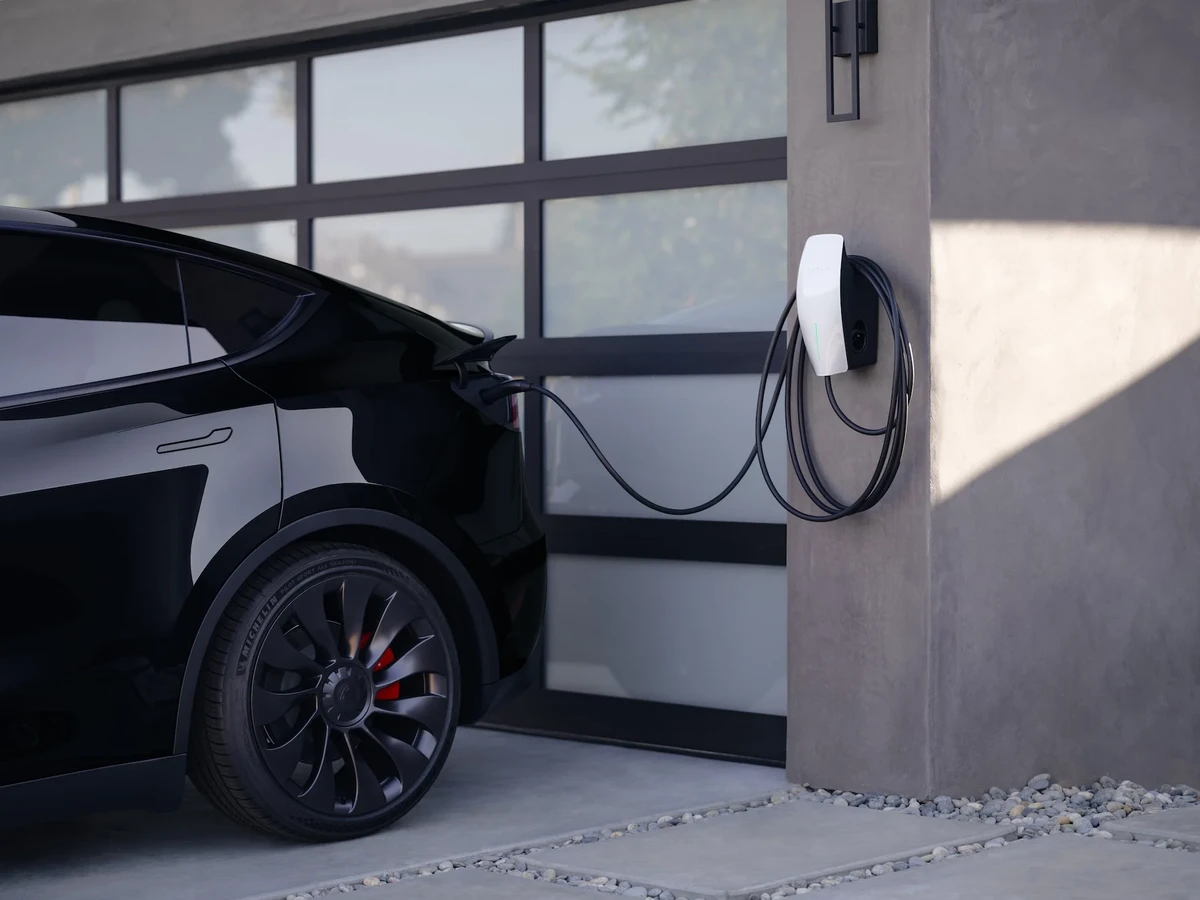
Hardwired EV Charger
Quoted after panel photos
Permanently connected to your electrical system with no plug. Direct connection from breaker to charger.
Pros
- ✓Cleaner, more permanent installation
- ✓No plug to wear out or corrode
- ✓Required for chargers over 40A (NEC code)
- ✓Slightly more efficient (no connection losses)
- ✓Weather-resistant when installed properly
- ✓Lower fire risk (no plug connection)
Cons
- ✗Not portable — fixed location
- ✗Requires electrician to relocate
- ✗Cannot easily move if you change vehicles
- ✗Slightly higher installation cost
Best for:
Homeowners who own their home, permanent installations, outdoor installations, chargers over 40A
Plug-In EV Charger (NEMA 14-50)
Quoted after panel photos
Plugs into a dedicated 240V outlet (NEMA 14-50). Similar to an electric dryer or range plug.
Pros
- ✓Portable — can take charger with you when you move
- ✓Easy to swap chargers without an electrician
- ✓Can unplug for safety during extended absences
- ✓Lower installation cost
- ✓Good for renters (with landlord approval)
Cons
- ✗Plug can wear out over time
- ✗Not allowed for chargers over 40A (NEC code)
- ✗Outdoor outlets need weatherproof covers
- ✗Slightly less efficient than hardwired
- ✗Plug connection can corrode in humid environments
Best for:
Renters, those who may move soon, flexibility seekers, chargers 40A and under
Our Verdict
For most homeowners, hardwired is the better choice — it's more permanent, code-compliant for high-amperage chargers, and looks cleaner. Plug-in makes sense if you might move, are renting, or want the flexibility to swap chargers easily. ChargeWizards installs both — we'll recommend based on your situation.
Buying Guide
- →
If you own your home and plan to stay 3+ years: hardwired
- →
If you might move or are renting: plug-in (NEMA 14-50)
- →
For chargers over 40A: hardwired is required by code
- →
For outdoor installations: hardwired is more weather-resistant
- →
Consider future EV purchases when deciding
Frequently Asked Questions
Ready for fast, reliable home EV charging?
Chat with David for a free quote - or call us directly. We typically respond within minutes.
Licensed C-10 contractor · No obligation · Bay Area only