
Level 1 vs Level 2 Charging: Which Should You Use?
The difference between Level 1 and Level 2 charging isn't subtle — it's the difference between frustration and convenience. Here's a detailed comparison to help you decide.
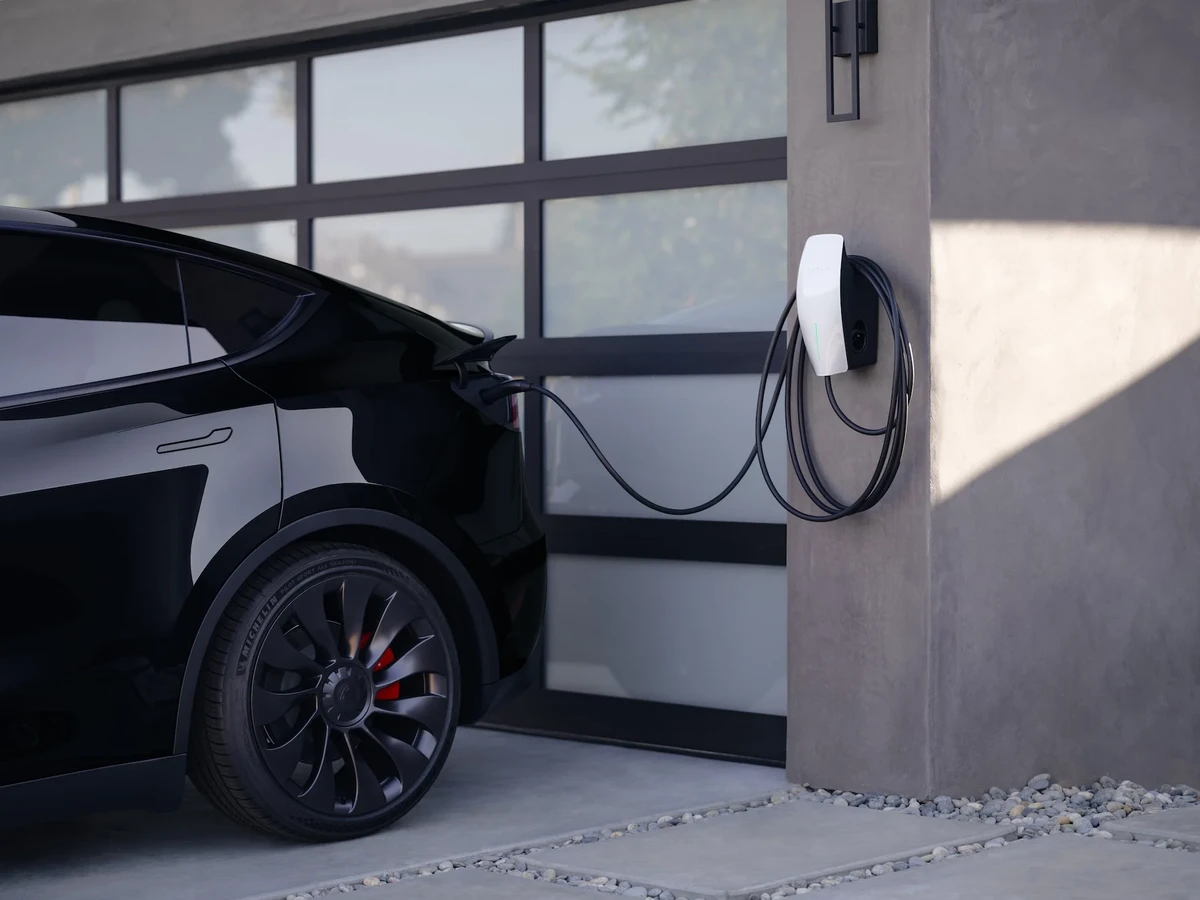
Level 1 Charging (120V)
$0 (included with EV)
Uses a standard household outlet. Comes with your EV. No installation required.
Pros
- ✓No installation cost — uses existing outlets
- ✓Portable — works anywhere there's an outlet
- ✓Safe and simple
- ✓Good for plug-in hybrids
- ✓No permit required
Cons
- ✗Extremely slow: 4-5 miles of range per hour
- ✗Full charge takes 2-3 days for most EVs
- ✗Inadequate for daily commuting over 30 miles
- ✗Ties up an outlet for extended periods
- ✗Not practical as primary charging method
Best for:
Plug-in hybrids, emergency backup charging, very low-mileage drivers (under 25 miles/day), renters with no other options
Level 2 Charging (240V)
$900-2,000 installed (before rebates)
Dedicated 240V circuit installed by a licensed electrician. The standard for home EV charging.
Pros
- ✓Fast charging: 25-40 miles of range per hour
- ✓Full overnight charge for any EV
- ✓Handles daily commuting easily
- ✓Enables off-peak electricity rate savings
- ✓Increases home value
- ✓Eligible for rebates and tax credits
Cons
- ✗Requires professional installation ($900-2,000)
- ✗Permit required
- ✗Not portable (fixed location)
- ✗Requires electrical panel capacity
Best for:
All EV owners, daily commuters, anyone driving more than 30 miles/day, primary home charging solution
Our Verdict
Level 2 charging is essential for practical EV ownership. While Level 1 works for plug-in hybrids or as emergency backup, Level 2 is the only viable solution for daily EV driving. The $900-2,000 installation cost pays for itself in 2-4 months through fuel savings vs. public charging. ChargeWizards recommends Level 2 installation for all EV owners.
Buying Guide
- →
Assess your daily driving needs — if over 30 miles/day, Level 2 is mandatory
- →
Check your electrical panel capacity before purchasing a charger
- →
Consider future EV purchases when selecting charger amperage
- →
Factor in rebates (federal 30C + PG&E) that can cover 50-100% of installation
- →
Choose a smart charger with scheduling for off-peak charging savings
Frequently Asked Questions
Ready for fast, reliable home EV charging?
Chat with David for a free quote — or call us directly. We typically respond within minutes.
Licensed C-10 contractor · No obligation · Bay Area only