California Law: Your EV Charging Rights
California Civil Code Section 4745 (for HOAs) and Civil Code Section 1947.6 (for renters) give EV owners strong protections. Under Section 4745, an HOA cannot unreasonably deny a condo owner's request to install an EV charger in their designated parking space. The law requires that requests be processed within 60 days and prohibits blanket prohibitions on EV charging. The HOA can impose reasonable conditions (insurance requirements, approved installation standards, use of a licensed contractor) but cannot simply say no. Understanding this law is your starting point for any HOA negotiation.
- •CA Civil Code 4745: HOA must process your EV charger request within 60 days
- •HOA can impose reasonable conditions but cannot unreasonably deny
- •Your charger must be in your designated parking space
- •You bear installation costs and ongoing electricity costs
- •Request must be in writing; HOA approval must be in writing
- •ChargeWizards helps prepare the technical documentation HOAs require
The HOA Approval Process
Getting HOA approval for an EV charger involves a few key steps. First, submit a written request to your HOA board or management company, citing California Civil Code 4745. Include a description of the charger you plan to install, the installer's license number, your proposed installation location, and a statement that you'll carry appropriate insurance. Expect back-and-forth: many HOAs will request additional information, require a specific licensed contractor (ChargeWizards qualifies), or ask for engineering drawings. Be patient and persistent — California law is on your side and HOAs know it.
- •Step 1: Submit written request citing CA Civil Code 4745
- •Step 2: Include charger specs, contractor's license (CSLB C-10 #1134931), and proposed location
- •Step 3: Provide proof of homeowner's insurance covering EV charging
- •Step 4: Respond to HOA conditions within their requested timeline
- •Step 5: Get written HOA approval before proceeding
- •ChargeWizards can draft the technical portions of your HOA request
Dedicated Parking Space vs. Shared Parking
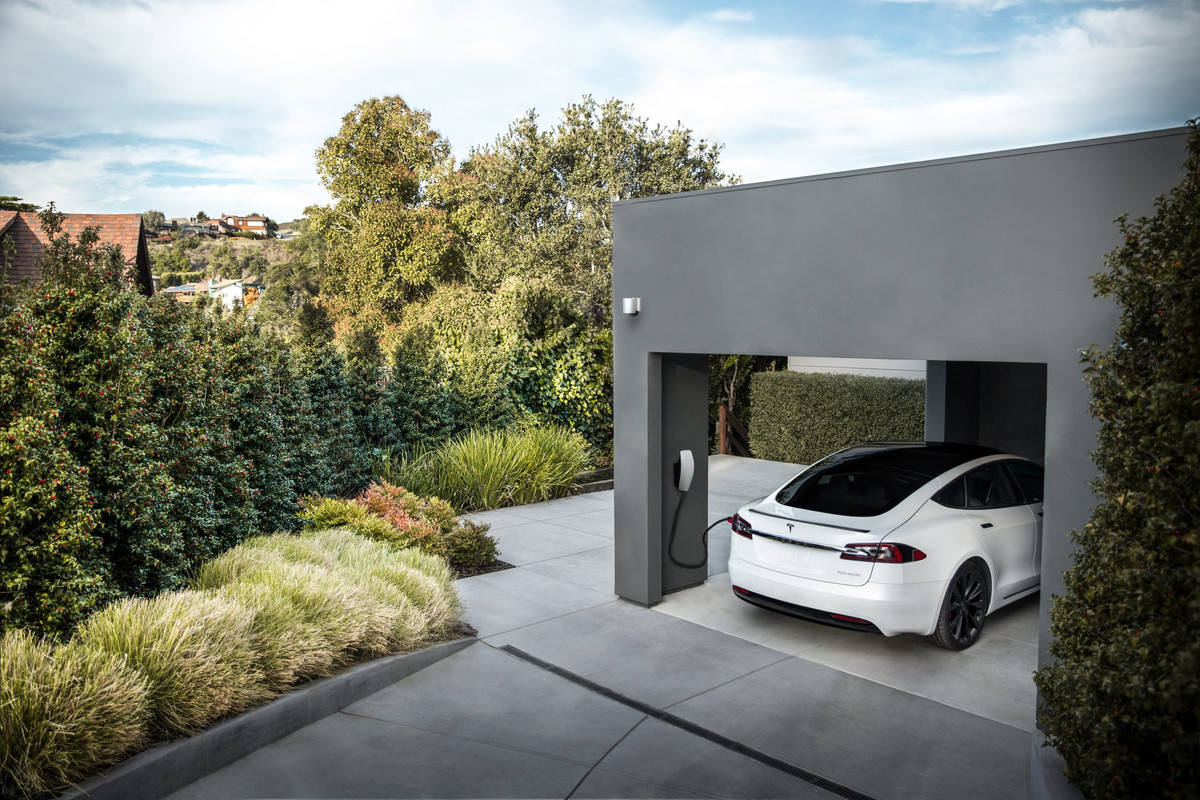
The easiest condo EV charging scenario is a designated individual parking space — ideally with an adjacent electrical closet or panel. More challenging: assigned parking in a shared garage, or stacked/tandem parking. For individual garage spaces, installation is similar to a home install — dedicated circuit from the nearest panel. For shared garages, the HOA may need to coordinate a larger electrical infrastructure project. Some Bay Area condo buildings have proactively added 'make-ready' infrastructure (conduit, panel capacity) to facilitate individual EV charger installs.
- •Individual garage space: most straightforward — treat like a home install
- •Assigned parking in shared garage: requires HOA coordination and panel capacity assessment
- •Valet or unassigned parking: very difficult — shared managed charging may be the solution
- •Conduit 'make-ready': some buildings pre-run conduit to spaces — reduces install cost
- •Ask your HOA if the building has existing EV-ready infrastructure
Metering and Electricity Costs
In a condo, who pays for the electricity to charge your EV? If your parking space has access to your individual electrical meter, you pay directly on your PG&E bill — clean and simple. If charging from shared building electrical systems, there needs to be a sub-metering or billing arrangement. Modern smart chargers (ChargePoint, JuiceBox) can track kWh consumed and generate reports that HOA managers use for billing. For new multi-unit developments, California Title 24 now requires EV-capable circuits in all new residential parking.
- •Best case: charge from your own metered circuit — pay on your own PG&E bill
- •Shared building power: requires sub-metering — smart chargers handle this automatically
- •EVSE sub-metering can track cost per kWh to allocate billing fairly
- •California Title 24 (new construction): requires EV-capable circuits in all new residential parking
- •Retro-fit older buildings: ChargeWizards provides multi-unit EV charging design and installation
What if My HOA Says No?
If your HOA denies your request or fails to respond within 60 days, you have legal recourse. First, send a follow-up citing the specific Civil Code violation and the legal timeline. Most HOAs will comply when they realize the legal exposure. If the HOA continues to resist unreasonably, you can file a complaint with the California Department of Real Estate, seek mediation, or in some cases pursue civil action. In practice, most Bay Area HOAs process EV charger requests — the law is well-established and most HOA attorneys advise compliance.
- •HOA must respond within 60 days
- •If denied without reasonable cause: cite Civil Code 4745 in writing
- •Escalate to HOA attorney (they will advise compliance)
- •California Dept. of Real Estate handles HOA complaint filings
- •Legal costs for fighting an unreasonable HOA denial are typically recoverable
- •In practice: most Bay Area HOAs approve with conditions, not denial