
Why Cold Weather Affects Charging
Below 50°F, lithium-ion battery chemistry slows down. That's physics, not a design flaw. Your car uses energy to warm the battery before it can charge at full speed, and range drops 10-20% in cold weather. Charging time increases because the car is protecting the battery from damage that could occur if it accepted a full charge rate while cold.
- •Battery chemistry slows below 50°F — ions move more slowly through the electrolyte
- •Your car heats the battery before accepting a fast charge
- •Range drops 10-20% in cold weather (cabin heating uses battery too)
- •Charging time increases as the car protects battery longevity
- •This affects all EVs regardless of brand — Tesla, Rivian, Ford, everyone
Smart Winter Charging Habits
The biggest advantage of home charging in winter is consistency. Your car stays plugged in, stays warm, and is ready every morning. These habits make the biggest difference during cold months.
- •Plug in every night — even if you don't need the range, keep the battery warm
- •Pre-condition while plugged in — heat the cabin using wall power, not battery
- •Charge to 80-90% in winter (vs 80% in summer) for extra cold-weather buffer
- •Use scheduled departure — your car pre-warms the battery and cabin on wall power
- •Avoid leaving your EV unplugged overnight in cold weather
Garage vs Outdoor Charging in Winter
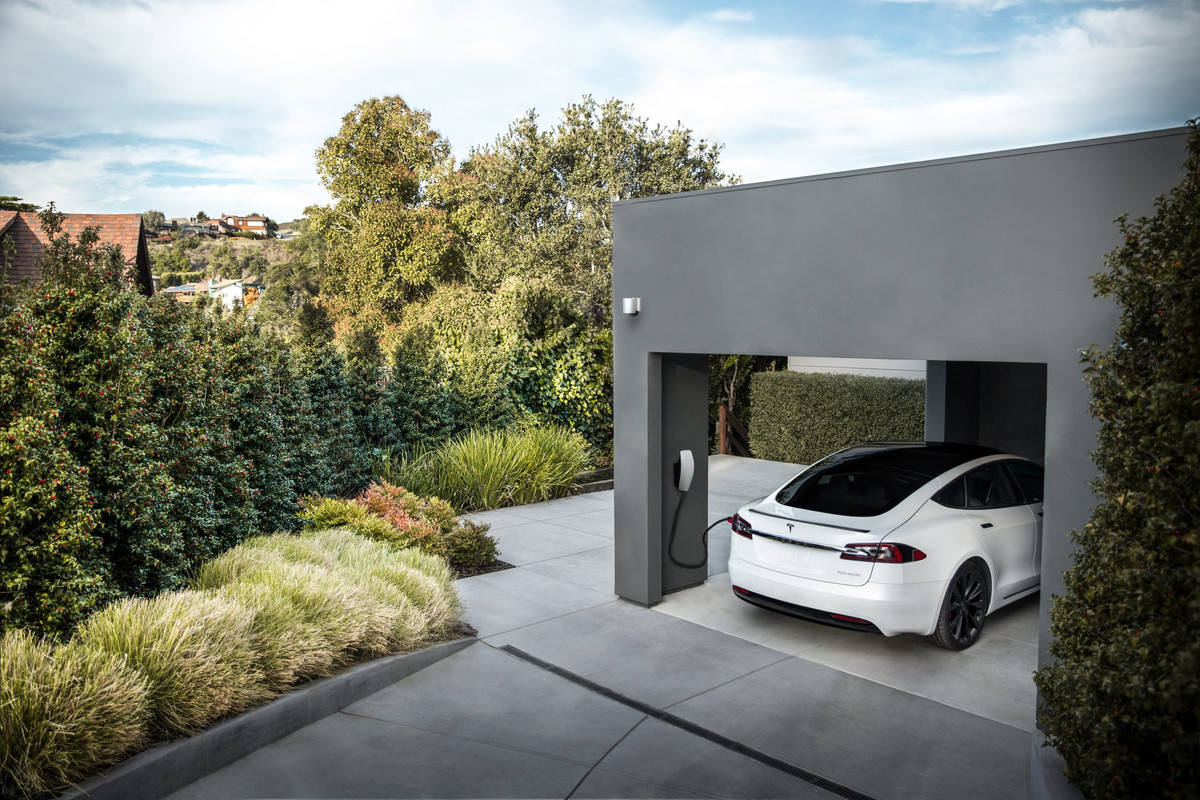
A garage installation has a measurable advantage in winter. Even an unheated garage is 10-15°F warmer than outside, which means your battery starts closer to optimal temperature. Level 2 charging (240V) also maintains battery temperature better than Level 1 (120V) because the higher power flow generates gentle warmth in the battery pack.
- •Unheated garage is 10-15°F warmer than outdoor temperatures
- •Level 2 charging maintains battery temperature better than Level 1
- •Your car stays 'conditioned' when plugged in overnight in a garage
- •Outdoor chargers work fine — they just need NEMA 4 weatherproofing
- •We use materials rated for Bay Area temperature swings in all installations
The Home Charging Advantage
Winter is when home charging really pays off. No more stopping at public stations in the rain, no waiting for a cold battery to accept a DC fast charge, no range anxiety on cold mornings. You wake up every morning with a warm, fully charged car — and that 'reduced winter range' barely matters when you start at 90% every day.
- •Wake up with a warm, pre-conditioned car every morning
- •No waiting for cold batteries to warm up at public chargers
- •Pre-conditioning on wall power saves 5-10% battery vs using stored energy
- •Consistent overnight charging means cold-weather range loss is barely noticeable
- •Level 2 home charging is 90% cheaper per mile than public DC fast charging