Quick Answer & Key Facts
Lithium-ion batteries slow down in cold weather — that's chemistry, not a defect. Below 50°F your battery resists fast charging until it warms up, and cabin heat draws additional energy that reduces range. In the Bay Area's mild climate, the impact is real but manageable: typical 10–15% range loss on cold mornings, recovering as the day warms up. The single biggest winter advantage is home Level 2 charging — you start every morning at 80–90% with a pre-warmed battery, which makes the cold-weather range hit nearly invisible.
- •Bay Area winter range hit: 10–15% on cold mornings (40–50°F)
- •Battery slows below 50°F — physics, not a defect
- •Home Level 2 lets you wake up at 80–90% every day
- •Pre-conditioning on wall power: saves 5–10% battery vs running off pack
- •PG&E EV2-A off-peak rate (9pm–9am): $0.12–$0.15/kWh
- •Garage installs are 10–15°F warmer than outdoor in winter
Why Cold Weather Affects Charging
Below 50°F, lithium ions move more slowly through the battery's electrolyte, and the battery management system limits charge current to prevent lithium plating — a permanent capacity-killing damage that occurs when ions can't intercalate fast enough. Your car responds by warming the battery before accepting a fast charge, and using cabin heat draws additional energy from the pack. Range drops 10–20% in cold weather (more in heat-pump-equipped EVs like the Model Y, less in resistive-heat EVs like older Leafs). The colder it gets, the more pronounced the effect — but in the Bay Area, where overnight lows rarely drop below 35°F, the impact is mild compared to colder parts of the country.
- •Battery chemistry slows below 50°F — ions move more slowly
- •BMS limits charge rate to prevent lithium plating damage
- •Cabin heat (resistive or heat pump) draws from the same pack
- •Bay Area overnight lows rarely below 35°F — mild compared to most of US
- •Heat-pump EVs (Model 3/Y, Ioniq 5) lose less range than resistive-heat EVs
- •DC fast charging is most affected — slower ramp from cold start
Smart Winter Charging Habits
The biggest advantage of home charging in winter is consistency. Your car stays plugged in, stays warm, and is ready every morning. We recommend bumping your daily charge target from 80% (summer) to 85–90% (winter) for a small extra buffer. Use scheduled departure (Tesla, Rivian, Ford, Hyundai/Kia, GM all support this) so the car pre-warms the cabin and battery on wall power instead of pulling from the pack on your drive. Plug in even on days you didn't drive much — it's free to top up to 90% on PG&E EV2-A off-peak ($0.12–$0.15/kWh).
- •Plug in every night — even if you don't need the range
- •Pre-condition while plugged in — heat the cabin on wall power
- •Bump daily target from 80% (summer) to 85–90% (winter)
- •Use scheduled departure for wall-powered cabin + battery preheat
- •Avoid leaving your EV unplugged overnight in cold weather
- •Charge between 9pm–9am for PG&E EV2-A off-peak rate
Garage vs Outdoor Charging in Winter
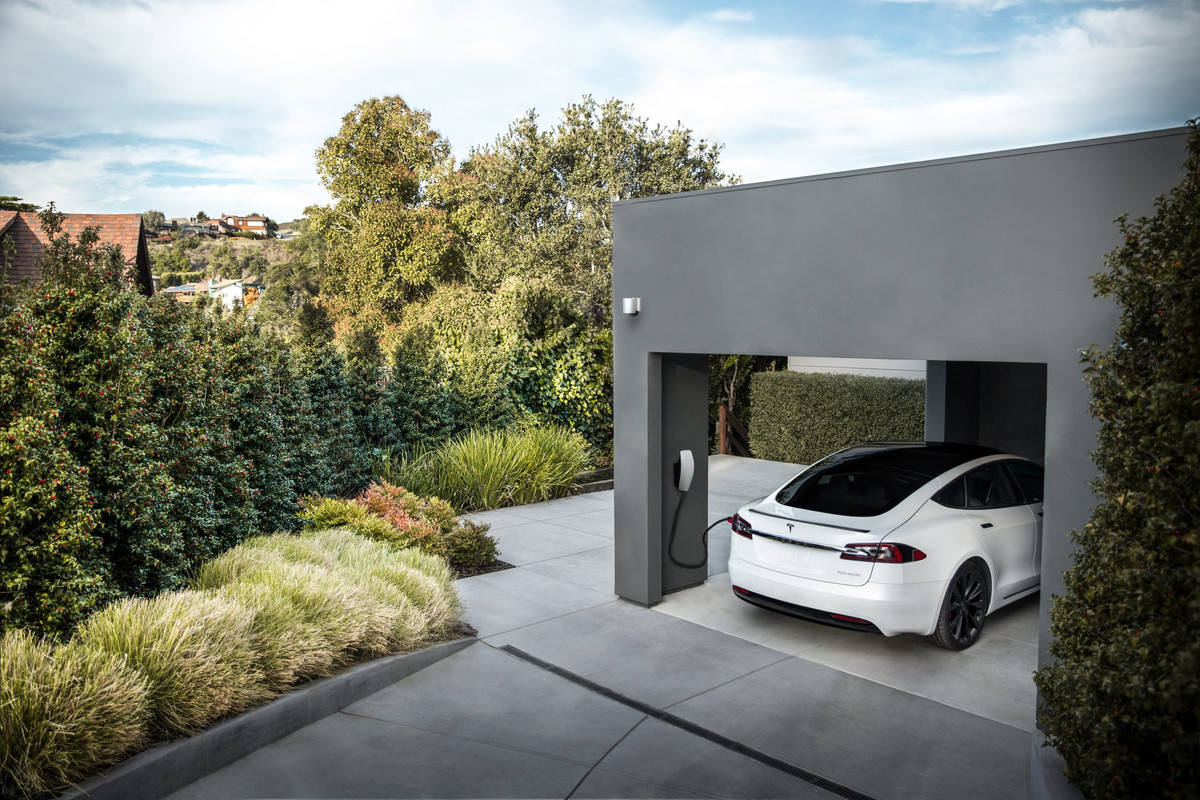
A garage installation has a measurable advantage in winter. Even an unheated Bay Area garage typically sits 10–15°F warmer than outdoor air overnight, which means the battery starts closer to the optimal 60–80°F charging window. Level 2 charging (240V, 32–48A) maintains battery temperature better than Level 1 (120V, 12A) because the higher power flow generates gentle warmth in the pack. If your charger is outdoor, the unit itself is fine — Tesla Wall Connectors are rated to -22°F ambient — but the battery just takes a few extra minutes to ramp up to full charge speed. By 30 minutes in, the differences disappear.
- •Unheated Bay Area garage: 10–15°F warmer than outdoor overnight
- •Level 2 (240V) maintains battery temperature better than Level 1
- •Tesla Wall Connector rated to -22°F — outdoor installs work fine
- •Battery ramp-up to full charge: ~5–15 min slower from cold start
- •After 30 minutes: indoor and outdoor charge at same rate
- •Outdoor installs use NEMA 4 weatherproofed conduit and connectors
PG&E Winter Rate Strategy
Winter is also when PG&E's EV-friendly rate plans pay off most. EV2-A off-peak (9pm–9am) is $0.12–$0.15/kWh — about a quarter of the standard residential peak rate ($0.45–$0.55/kWh). For a typical Bay Area driver charging 4,000–5,000 kWh/year, switching to EV2-A saves $800–$1,500 vs. standard rates. Schedule charging to start at 9pm using your car's app or the Wall Connector's built-in schedule. This compounds with cold-weather pre-conditioning: your car warms the cabin on cheap off-peak power before you leave at 7am, then you drive to work on a fully warm battery.
- •PG&E EV2-A off-peak (9pm–9am): $0.12–$0.15/kWh
- •PG&E EV2-A peak: $0.45–$0.55/kWh — avoid charging then
- •Annual savings on EV2-A vs standard: $800–$1,500 typical
- •Schedule charging to start at 9pm for full off-peak window
- •Pre-condition before departure — uses cheap off-peak power
- •Both Tesla and most Wi-Fi chargers support time-of-use scheduling
The Home Charging Advantage
Winter is when home charging really pays off. No more stopping at public stations in the rain, no waiting for a cold battery to accept a DC fast charge (cold pack ramping at a Supercharger can take 15+ minutes before you hit full speed), no range anxiety on cold mornings. You wake up every morning with a warm, fully charged car — and the cold-weather range hit barely matters when you start at 90% every day. For most Bay Area commuters, even a 15% winter range loss still leaves 200+ miles available, which is far more than you actually drive.
- •Wake up with a warm, pre-conditioned car every morning
- •No waiting for cold batteries at public Superchargers (15+ min ramp)
- •Pre-conditioning on wall power: saves 5–10% range vs from-pack
- •Consistent 80–90% morning state of charge — winter range loss invisible
- •Level 2 home charging: ~90% cheaper per mile than DC fast charging
- •Most Bay Area commutes <50 miles round-trip — well within winter range
Free Tools from ChargeWizards